
The Advantages of Post-Industrial Resins and Their Ecological Impact
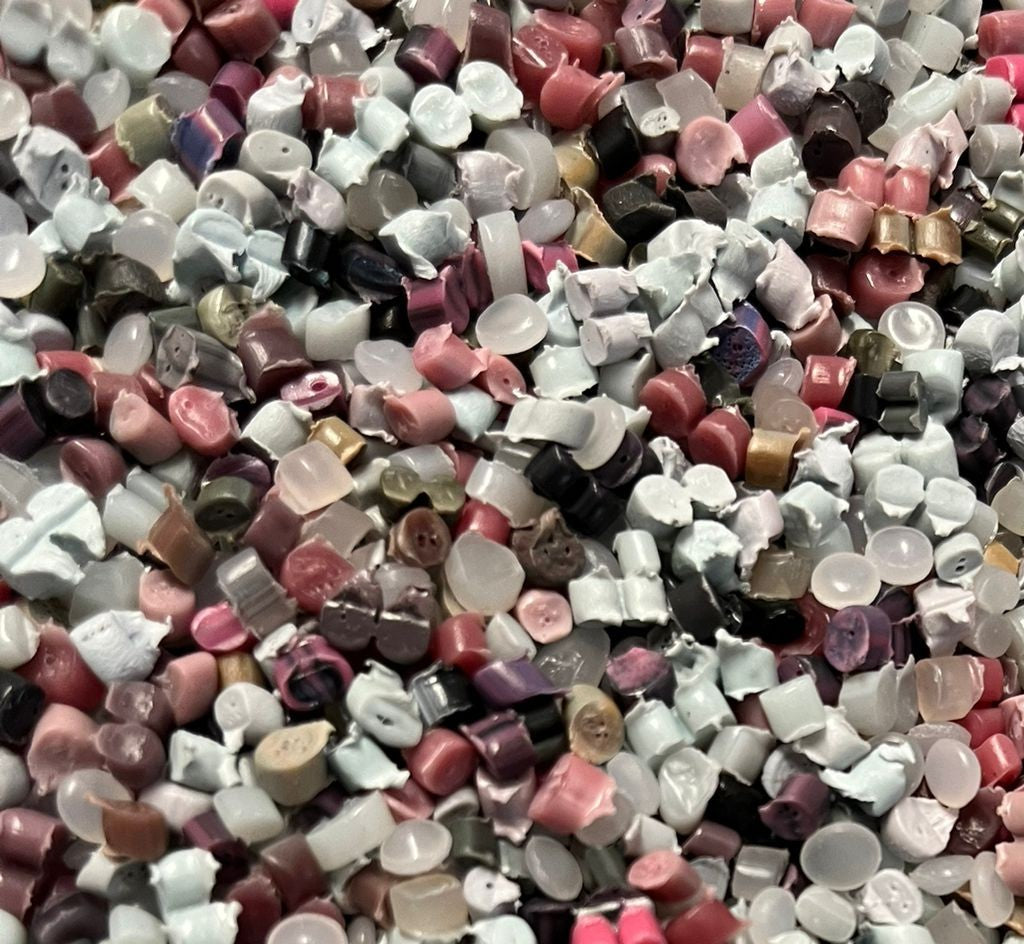
In the era of sustainability, post-industrial resins (PIRs) are increasingly valued for their environmental and economic benefits. These resins are derived from waste generated during the manufacture of plastic products and offer an environmentally friendly alternative to virgin materials, supporting circular economy goals.
Advantages of Post-Industrial Resins
-
Carbon Footprint Reduction : The use of PIR resins implies lower energy consumption during production, as the extraction of new raw materials is omitted. This process not only saves energy but also reduces greenhouse gas emissions ( Welcome to Next Generation Plastics ) .
-
Reduced Production Costs : By using recycled materials, companies can significantly reduce the costs associated with purchasing virgin materials. Furthermore, the use of recycled plastics can decrease dependence on non-renewable resources, which is both economically and environmentally beneficial ( Welcome to Next Generation Plastics ) .
-
Quality and Consistency : Unlike post-consumer recycled plastics, PIR resins come from industrial sources, which generally guarantees greater consistency and quality of the recycled material ( Welcome to Next Generation Plastics ) .
-
Positive Environmental Impact : Integrating PIR into manufacturing processes helps divert large amounts of waste from landfills, contributing to a significant reduction in environmental pollution ( Welcome to Next Generation Plastics ) .
Implications for the Circular Economy
PIR resins are fundamental to promoting circularity in the plastics industry. They allow materials to be reused multiple times, extending their life cycle and minimizing the need for new resources. This approach not only preserves natural resources but also optimizes industrial processes for greater efficiency and reduced environmental impact ( MDPI ) .
Challenges and Future Considerations
Although PIR resins offer numerous benefits, it is crucial that companies implement efficient recycling practices and consider integrating technological innovations that improve the quality and applicability of recycled plastics. Adopting global standards for plastic recycling can also help standardize and improve the acceptance of these materials across various industries ( Asia Food Journal ) .
Post-industrial resins represent a significant opportunity for companies seeking to move toward more sustainable and responsible operations. By choosing PIR resins, you not only contribute to the health of the planet but also support long-term sustainability efforts. To learn more about how PIR resins can benefit your business and contribute to your sustainability goals, visit Arnovac.com .